
Market & Portfolio Update - July 2023
Most global share markets were positive in July, spurred higher by the energy and financial sectors, which makes for a change from the first half of the year where technology companies drove markets.
The Australian share market rallied almost 3% on higher energy prices, as resource companies make up a significant part of that market. Global share markets were also up 3% in local currency terms; however, a weak US dollar (-1.5%) offset some of the performance for unhedged NZ investors.
The key US share market saw a number of companies report earnings for the June quarter. Overall, these results highlight the resiliency of companies amidst slowing economic growth and elevated inflation. While earnings have declined from where they were a year ago, most results beat market expectations. In particular, the financials sector performed well after a tumultuous start to the year, which saw the collapse of several small regional banks. California-based Fisher Investments, used the opportunities earlier in the year to increase their exposure to financials. This paid off well in July, with holdings like Bank of America (up 10%), Morgan Stanley (up 7%), and T.Rowe Price (up 8%), all reporting strong earnings, and their share prices rose as a result.

Financial Planning: Mapping Out Your Financial Goals
When was the last time you sat down and not only set some goals, but mapped out the best way to ensure they are achieved? Goal modelling is more than just financial planning - it’s a roadmap to achieving what truly matters to you. It’s getting answers on what you could be achieving in life, and the best way to get there.
At Lifetime, we go beyond just the numbers to understand your life stages, your aspirations and your personal values.
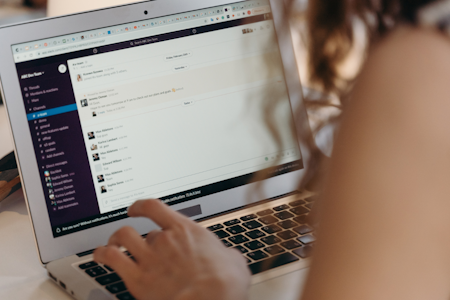
Staying Cyber Smart
At Lifetime, looking after your financial wellbeing includes helping you stay safe online. Lately, we’ve seen an increase in online scam attempts across the financial sector here in New Zealand, so we thought this was a good time to share a few friendly reminders on how you can stay protected.